Submission to OHCHR on CCS risks
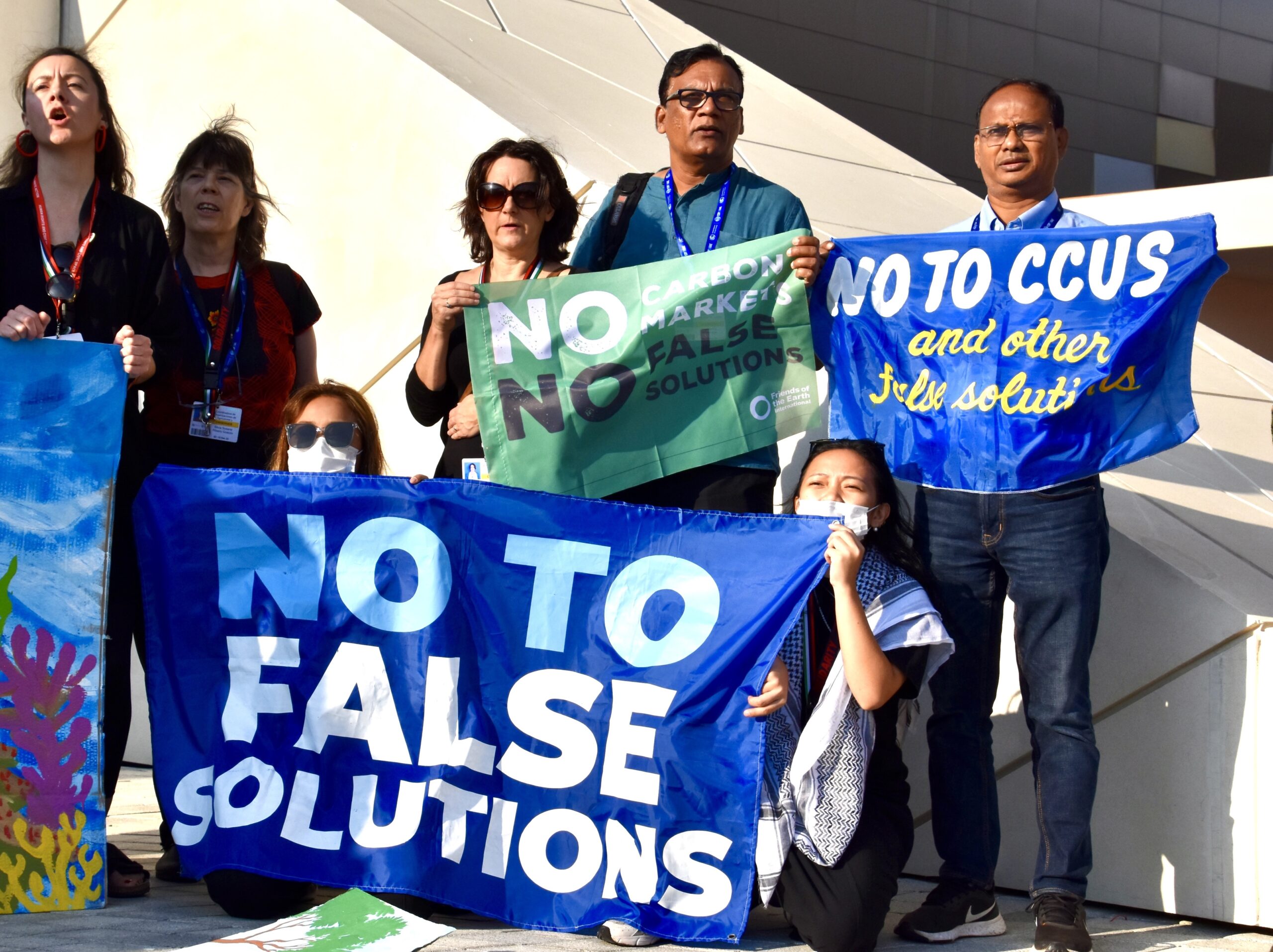
Today, Friends of the Earth Japan, together with Sahabat Alam Malaysia (FoE Malaysia), The Association for the Protection of the Kujukuri Coast and Kiko Network, submitted the opinon to the Office of the High Commissioner for Human Rights (OHCHR) which calls for input on technologies related to climate change and their impacts on human rights.
Submission to the Office of the High Commissioner for Human Rights
1. Introduction
Friends of the Earth Japan, together with Sahabat Alam Malaysia (FoE Malaysia), The Association for the Protection of the Kujukuri Coast and Kiko Network, welcome the opportunity to contribute to the Office of the High Commissioner for Human Rights (OHCHR) call for input on technologies related to climate change and their impacts on human rights. This submission focuses on Carbon Capture and Storage (CCS), which the Japanese government is increasingly promoting as a key climate mitigation technology.
While CCS is often framed as a climate solution, its deployment raises serious human rights concerns, including environmental risks, impacts on coastal communities, lack of transparency and public participation, transboundary environmental justice issues, and diversion of resources away from proven mitigation measures, including energy efficiency or renewable energy. These concerns are particularly evident in Japan’s proposed “Metropolitan CCS Project” in Chiba Prefecture and the government’s policy to export captured CO₂ to other countries, including Malaysia for offshore storage.
The UN General Assembly has recognized the right to a clean, healthy and sustainable environment (A/RES/76/300). The Human Rights Council has also emphasized that climate change poses an immediate and far‑reaching threat to people and communities around the world (HRC resolution 48/13). Climate mitigation technologies must therefore be assessed through a human rights lens, including rights to life, health, food, water, participation, and self‑determination.
2. Social and Environmental Impacts: Metropolitan CCS Project in Chiba
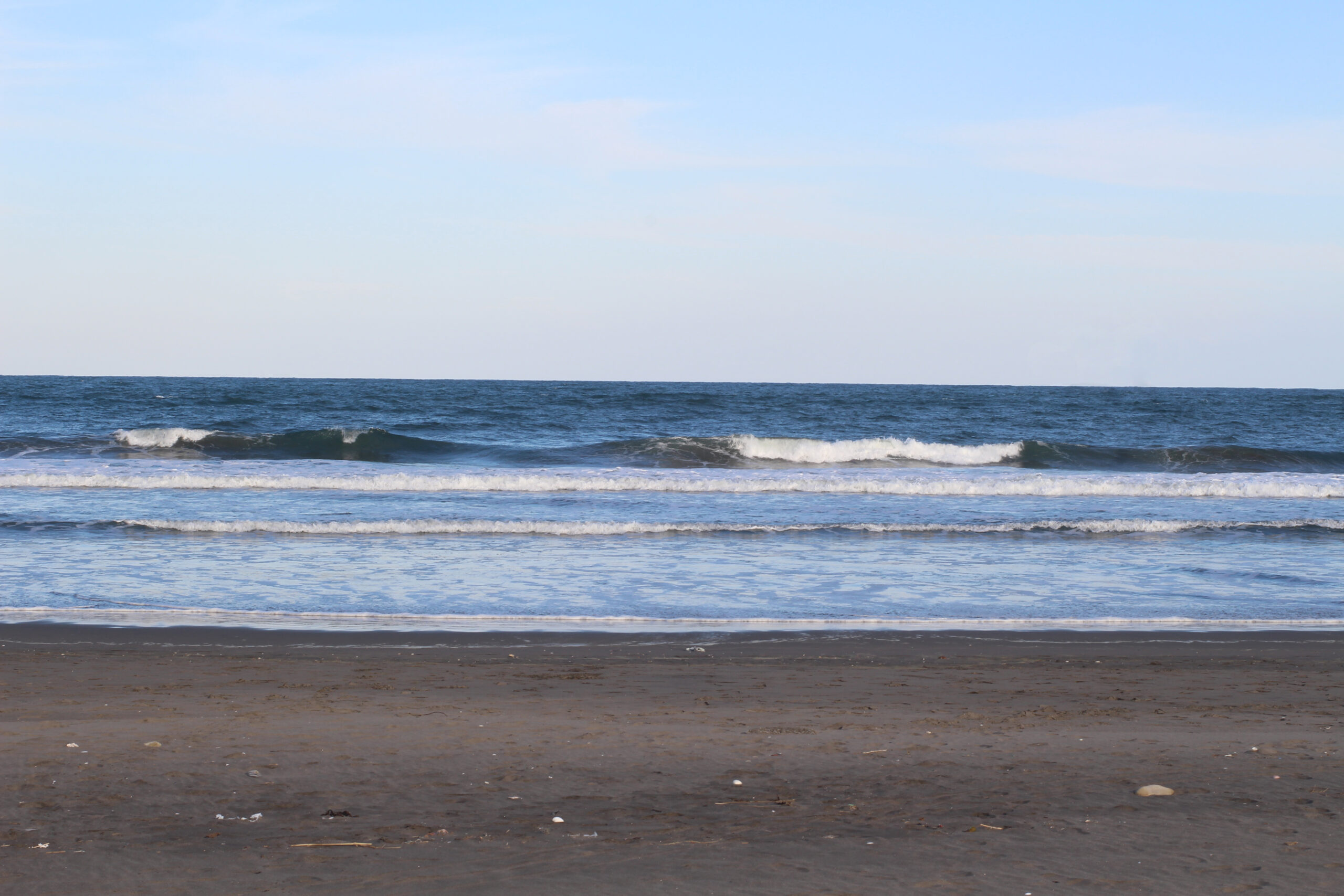
Japan is advancing 9 large‑scale CCS project and one is in the Tokyo metropolitan region. The proposed project involves capturing CO₂ emissions from industrial facilities in Tokyo Bay, transporting the CO₂ through a pipeline across Chiba Prefecture, and injecting it beneath the seabed off the Kujukuri coast. An offshore drilling rig (120m above sea level) is set to be installed 5 kilometers offshore for exploratory drilling. If full-scale underground storage is to begin in the future, a massive injection facility will be constructed on the sea for an extended period[1].
Impacts on coastal communities
The Kujukuri coastal area supports fisheries, tourism, and local communities whose livelihoods depend on marine ecosystems. Offshore drilling infrastructure and subsea injection activities may disrupt fisheries, damage marine ecosystems, affect tourism, and introduce risks associated with CO₂ leakage.
Environmental risks and long term uncertainty
CCS projects involve injecting large volumes of CO₂ underground, raising concerns regarding leakage, induced seismicity, marine ecosystem impacts, ocean acidification, and long‑term monitoring and liability. These risks may persist for decades or centuries, raising intergenerational human rights concerns. Despite these risks, an environmental assessment for CCS projects is not required by the Japanese government. These risks can span decades or even centuries and can lead to intergenerational human rights issues.
Transparency and access to Information as rights
The UN Special Rapporteur on human rights and the environment has emphasized that States must ensure meaningful public participation, access to information, and access to justice in environmental decision‑making. However, the Metropolitan CCS Project has progressed with limited public awareness and insufficient consultation with local communities.
Despite the sheer scale of the project, explanations have only been given to a very small area through which the pipeline will pass. Test drilling is scheduled to begin in July, but the reasons why this area was selected for the test drilling, as well as the environmental impact of the drilling, have not been disclosed at all[2].
3. Transboundary CO₂ Export and Human Rights Concerns
Japan is also promoting a policy of exporting captured CO₂ to other countries, including Malaysia, Indonesia and Australia, for offshore storage.
Putting risks and burdens on to the global south
Transporting CO₂ across borders shifts environmental and safety risks to receiving countries, including leakage risks, long‑term monitoring burdens, environmental damage, liability uncertainties, and risks during marine transport. Exporting CO₂ effectively transfers the environmental burden of emissions rather than reducing them at source.
As of April 2024, there were at least 15 agreements signed by Japanese government agencies and companies to examine the feasibility of projects to export and store CO₂ in countries such as Indonesia, Malaysia, and Australia. Cross-border transport of CO₂ for permanent subseabed geological storage is waste dumping[3].
The Japanese government argues that suitable domestic storage capacity is limited and costly, and that implementing CCS projects overseas would be cheaper; however, this is unjustifiable. First, CCS projects are extremely expensive regardless of where they are carried out. Second, developed countries such as Japan must undertake deep, rapid, and sustained emissions reductions domestically and at the source, rather than exporting CO₂ to “cheaper” dumping ground and shifting the burden and associated risks to the Global South.
IPCC uses the word “durably” to describe the storing of CO₂ in geological, terrestrial, or ocean reservoirs, or in products for CDR (Carbon Dioxide Removal). There is no clear definition for the length that “durably" entails, but some have suggested at least 200-300 years. A legal system that can guarantee the maintenance of sequestered carbon for such a long period is not feasible in practice. In the United States, that liability period can extend up to 50 years, while in Australia it may run to only 15. Cross-border “dumping” of carbon dioxide raises significant liability concerns—whether during international transport or in destination countries. In the absence of such accountability, long-term liability is ultimately borne by the public.
Climate Injustice
This raises climate justice concerns. The UN human rights framework emphasizes equity, common but differentiated responsibilities, and the obligation of States to avoid transboundary environmental harm. Exporting CO₂ from a high‑income country to other regions risks creating a form of carbon dumping or carbon colonialism.
Legal uncertainty
Transboundary CCS also raises unresolved legal issues regarding long‑term liability, monitoring responsibility, and compensation for affected communities. These uncertainties create significant risks for the protection of human rights.
4. Systemic Risks of CCS for Human Rights
CCS captures emissions after fossil fuels are extracted and burned, and may therefore prolong fossil fuel dependence. Reliance on CCS risks delaying fossil fuel phase‑out, locking in high‑emission infrastructure, and diverting resources from renewable energy and efficiency.
Japan’s CCS policy targets large‑scale deployment despite limited demonstration projects and high costs. CCS requires capture facilities, compression infrastructure, pipelines, shipping, injection wells, and long‑term monitoring. These costs are substantial and often supported by public funds.
Investing heavily in CCS may divert resources from proven mitigation measures such as renewable energy, energy efficiency, and electrification. This diversion risks undermining effective climate action necessary to protect human rights.
Long‑term storage also creates intergenerational burdens, as monitoring may be required for centuries. Future generations and taxpayers may ultimately assume liability for leakage or environmental damage.
Conclusion
Time and resources remaining for climate change countermeasures are limited, and CCS, with its high risks and costs, should not be considered as a solution. Considering its environmental and social impacts, the effects on countries where CO2 is dumped, and the burden imposed on future generations, CCS is a technology that raises significant human rights concerns.
The United Nations should clearly recognize the human rights risks of CCS and promote other effective and human rights-sensitive climate change technologies.
[1] CCS Project website by the operator, https://mccs.inpex.co.jp/, FoEJapan’s briefing https://foejapan.org/issue/20260408/29129/
[2] “Protest Against Approval for CCS Exploration Drilling Off the Coast of Chiba Prefecture” https://foejapan.org/en/issue/20260427/29506/
[3] ”Press release: CSO demands both the Japanese and Malaysian government not to promote CCS – Exporting CO2 from Japan to Malaysia is Carbon Colonialism” https://foejapan.org/en/issue/20240321/16635/, “Global criticism against Japan’s CO2 export plan rising – Global petition submitted to demand Japan not to export CO2” https://foejapan.org/en/issue/20240508/17466/