Statement: FoE Japan hails Japan’s accession to UN High Seas Treaty (BBNJ) to protect marine life New international agreement is set to enter into force globally in January 2026
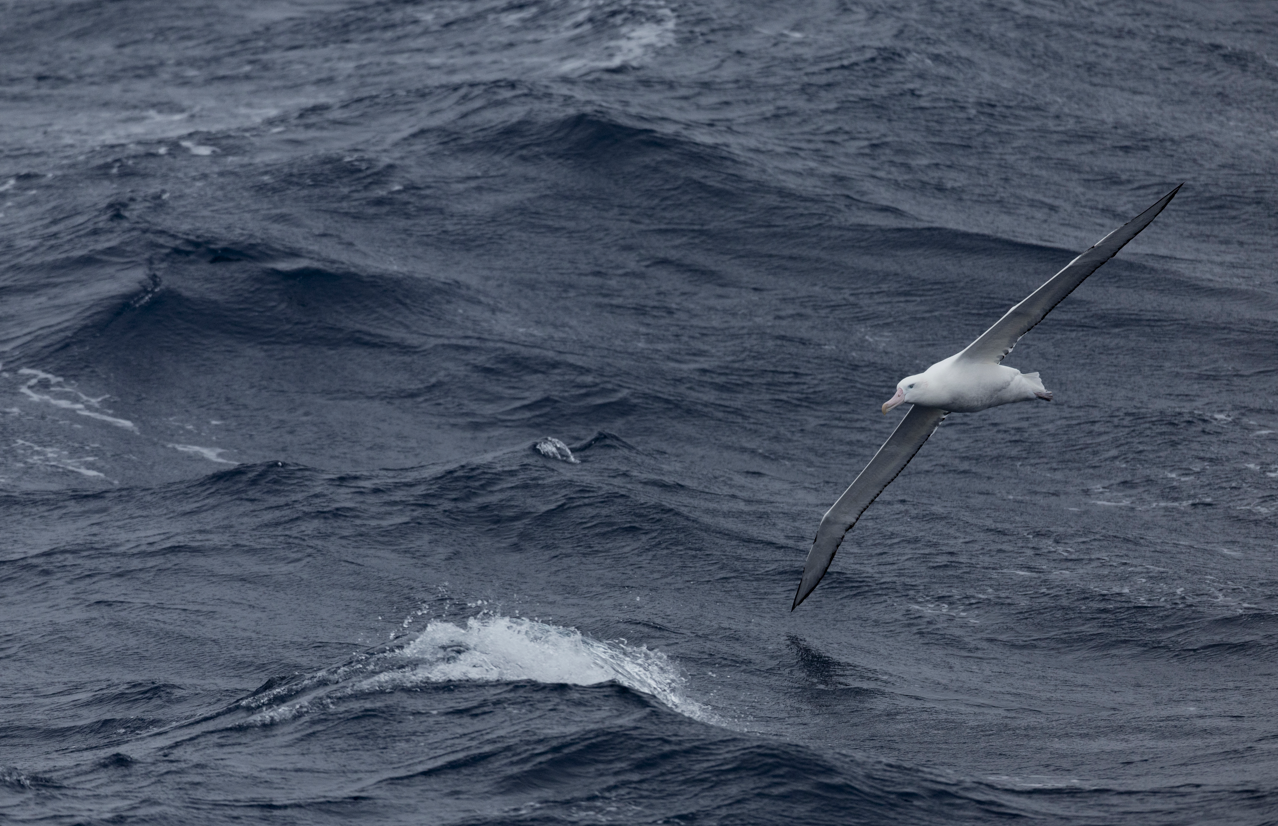
On December 12, 2025, Japan deposited is instrument of accession to “United Nations High Seas Treaty" (formally knowns as the Agreement on the Conservation and Sustainable Use of Marine Biological Diversity of Areas Beyond National Jurisdiction, or BBNJ Agreement). (The National Diet gave its approval for Japan to become a Party to the Agreement on May 23.) FoE Japan welcomes Japan’s accession to this treaty—which facilitates the establishment of marine protected areas in the high seas—a significant step towards preserving marine biodiversity.
In a statement, the government said “Japan places importance on the maintenance and development of the maritime order based on the rule of law and actively participated in the negotiations which led to the adoption of the Agreement. Japan will continue to actively contribute to the effective implementation of the Agreement.” We look to the Japanese government to follow through on this commitment with concrete, effective, and decisive actions to conserve marine biodiversity.
The High Seas Treaty, adopted in June 2023, was established under the United Nations Convention on the Law of the Sea (UNCLOS), and is often referred to as the “Constitution of the Sea." It sets forth a global legal framework for the conservation and sustainable use of marine biodiversity in the high seas and the deep seabed. Japan became the 77th Party to the Treaty, which will enter into force on January 17, 2026.
Hailed as a big success for multilateralism, the Treaty aims to conserve and sustainably use marine biodiversity in the high seas and deep seabed by addressing four main components:
- Marine genetic resources (MGR), including the fair and equitable sharing of benefits
- Area-based management tools (ABMT), including marine protected areas
- Environmental impact assessments (EIA)
- Capacity-building and transfer of marine technology
Historically, while UNLCOS includes a general obligation on countries to protect the marine environment in areas beyond national jurisdiction, there were no clear rules on how to implement this protection, such as through marine protected areas (MPAs). The High Seas have been managed by a range of bodies, including regional fisheries management organizations (RFMOs), but lack of coordination, and fragmented coverage have left the High Seas vulnerable to overexploitation.
The High Seas Treaty will be a key tool to implement the “Kunming-Montreal Global Biodiversity Framework" (KM-GBF), adopted under the Convention on Biological Diversity in 2022, that includes the “30 by 30" target to protect at least 30% of terrestrial and marine areas by 2030. With the global recognition of the critical state of marine ecosystems due to serious and complex threats such as biodiversity loss, marine plastic pollution, warming, and ocean acidification—all stemming from human activities—there is heightened anticipation for the High Seas Treaty to promote the establishment of marine protected areas in the high seas as a mechanism to protect marine biodiversity.
The high seas, covering approximately two-thirds of the ocean’s surface, belong to no one and are a shared heritage of humanity that we must collectively protect. As a member organization of the Antarctic and Southern Ocean Coalition (ASOC), which works on ecosystem conservation in Antarctica, FoE Japan has long advocated for the establishment of marine protected areas in the Antarctic. Antarctica is an important part of the global ocean system, and we hope the new BBNJ Agreement can promote coordination of efforts to protect Antarctic biodiversity with biodiversity in adjacent areas
Japan’s ratification demonstrates its commitment to international cooperation in tackling the biodiversity crisis. However, ratification/accession and entry into force are merely starting points. Incidentally, in May 2026, Japan will have a special opportunity to play a role in promoting peaceful and scientific use and environmental protection in the Antarctic when it hosts the Antarctic Treaty Consultative Meeting for the first time in 32 years.
FoE Japan calls on the Japanese government to take an active role in driving the swift and effective implementation of the Treaty and to support action in other key bodies — such as the Commission for the Conservation of Antarctic Marine Living Resources (CCAMLR) — to protect marine life in international waters.
Contact
FoE Japan, Antarctica Program, Randal Helten (helten@foejapan.org)
FoE Japan Antarctica Program – https://foejapan.org/en/issue/tag2/antarctica_en/
References
- Japan Ministry of Foreign Affairs “Deposit of the Instrument of Accession to the BBNJ Agreement” https://www.mofa.go.jp/ila/ocn/pagewe_000001_00295.html
- High Seas Alliance – Ratification Tracker – https://highseasalliance.org/treaty-ratification/
- UN Law of the Sea, BBNJ signatory page – https://treaties.un.org/PAGES/ViewDetails.aspx?chapter=21&clang=_en&mtdsg_no=XXI-10&src=TREATY

